

 by
by 
Why Mobility and Flexibility Matter in Daily Life
Stiff joints, tight muscles, and limited flexibility can make even simple movements uncomfortable. Whether you’re sitting at a desk all day, recovering from an injury, or dealing with persistent tightness, your mobility directly affects your quality of life. Maintaining or improving movement isn’t only about muscles. Connective tissue like fascia also plays a major role. That’s why integrating fascial stretch therapy (FST) with massage therapy can be a smart, personalized way to regain ease in movement. In this post, we’ll look at how fascial stretch therapy works, how it differs from massage, and how combining the two might help you move better with less discomfort.
The Fundamentals of Fascial Stretch Therapy and Its Benefits
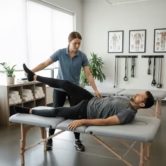
Fascial stretch therapy focuses on the fascia—the connective tissue that surrounds muscles, bones, and joints. Tight or restricted fascia can limit your range of motion and contribute to pain or stiffness. FST is performed on a treatment table, where a trained therapist gently guides your limbs through specific movement patterns. The technique is designed to stretch not just muscles but the connective tissue that links joints and muscles across your body. Fascial stretch therapy benefits include:
- Improved flexibility and joint mobility
- Reduced muscle tension and stiffness
- Better posture and alignment
- Enhanced circulation and recovery from physical activity
According to a 2024 study published by the National Institutes of Health, targeted fascial techniques like FST may improve flexibility and reduce pain in individuals with musculoskeletal restrictions when used under proper clinical guidance. FST is often used in athletic environments but works equally well for individuals dealing with stiffness related to work posture, aging, or recovery after an injury. Compared to passive stretching or automated stretching devices, this guided therapy is more dynamic and customized.
Understanding Massage Therapy and Its Role in Mobility
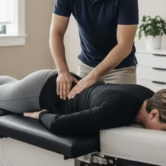
Massage therapy primarily targets soft tissue tension—focusing on muscles, tendons, and the circulatory and nervous systems. Techniques range from Swedish massage, which promotes general relaxation, to deep tissue and myofascial release, which address chronic tightness and dysfunction. When movement is restricted or painful, muscle tension is often part of the issue. Massage therapy:
- Encourages blood flow to affected areas
- Reduces muscular stiffness and pain
- Lowers sympathetic nervous system activity (helpful for stress-related tension)
- Improves range of motion when applied regularly
Research published by NIH found that myofascial and trigger point therapy had significant effects on improving flexibility and reducing pain in patients with limited movement. Massage therapy is commonly used in clinics to support injury recovery, manage chronic pain, and supplement physical therapy techniques. You can read more about what’s included in our massage therapy services here.
How Fascial Stretch Integrates with Massage to Amplify Results
While FST and massage therapy work through different techniques, they serve overlapping goals. When used together, they complement each other well. Here’s how they work together to support mobility:
| Fascial Stretch Therapy | Massage Therapy | Combined Benefit |
| Targets fascia and joint capsules | Targets muscles and connective tissues | Addresses both structural and muscular causes of stiffness |
| Improves range of motion dynamically | Relieves passive tension and inflammation | Creates long-lasting flexibility and relief |
| Prepares tissue for deeper manual therapy | Calms the system post-movement | Shorter recovery time and sustained results |
Suitable situations for combining these can include:
- Recovering from a sedentary routine and needing full-body mobility
- Preparing for or recovering from physical training or sports
- Managing chronic tensions that don’t respond to one method alone
In many cases, combining these therapies results in greater flexibility, faster recovery, and increased comfort during day-to-day movement.
Personalizing Your Therapy for Optimal Mobility
Every body moves differently. That’s why a personalized treatment plan matters more than any single therapy. Your stiffness might be coming from overused muscles, restricted fascia, or joint misalignment—or a mix of all three. Working with trained professionals allows you to:
- Identify the real sources of movement restriction
- Get a plan tailored to your body’s needs, lifestyle, and goals
- Adjust treatment as your mobility improves
As we explain in our post on how stretching affects overall health, effective improvement isn’t about doing more. It’s about moving smarter, in ways most beneficial for your body.
Evidence-Based Practice: Delivering Safer, More Effective Therapy
At Beactive Physio, we base recommendations on clinical research, combined with hands-on experience. Evidence-based therapy means we use validated techniques, apply what’s proven to work, and focus on real outcomes—mobility, comfort, strength, and confidence. This practice reduces the risk of injury, avoids unnecessary treatments, and keeps your progress measurable. The Mayo Clinic notes that therapies like myofascial release and guided stretching can help relieve pain and improve movement when provided by qualified professionals who tailor the approach to each person’s needs. Whether you’re looking to ease everyday stiffness or maintain active aging, you deserve a plan built around you—not a generic routine.
Take the First Step Toward Better Movement
Lasting mobility starts with personalized, evidence-based care. If you’re dealing with tightness, limited flexibility, or lingering stiffness, an integrated approach may help you move more confidently and comfortably. At Beactive Physio in Oakville, we combine expert-guided fascial stretch therapy with high-quality massage to design treatment plans that fit your life and goals. Every session is focused on helping you feel better—not temporarily, but for the long haul. Let’s work together to get you moving stronger.
Frequently Asked Questions
What can I expect from a session that combines fascial stretch and massage therapy?
Each session typically starts with an assessment of your mobility and areas of tension. Depending on your needs, therapists may begin with fascial stretching to prepare your body, followed by massage to calm muscle tissue and enhance circulation. The pace and focus are adapted to your comfort and response.
How often should I receive these therapies to notice an improvement in my mobility?
Most people begin seeing changes within a few sessions, though frequency depends on your starting level of stiffness, activity level, and goals. A common schedule is weekly treatments during the early phase, then spacing out as results stabilize. Your therapist will guide the plan as you progress.
Can fascial stretch and massage therapies help with conditions other than stiffness?
Yes. While often used for stiffness, these treatments also support recovery after injury, posture correction, athletic performance, and general stress reduction. If you’re dealing with tightness, fatigue, or imbalance in movement, these integrated therapies may help improve overall function. Stiffness is often a symptom, not the root cause. These techniques help address both.