

 by
by 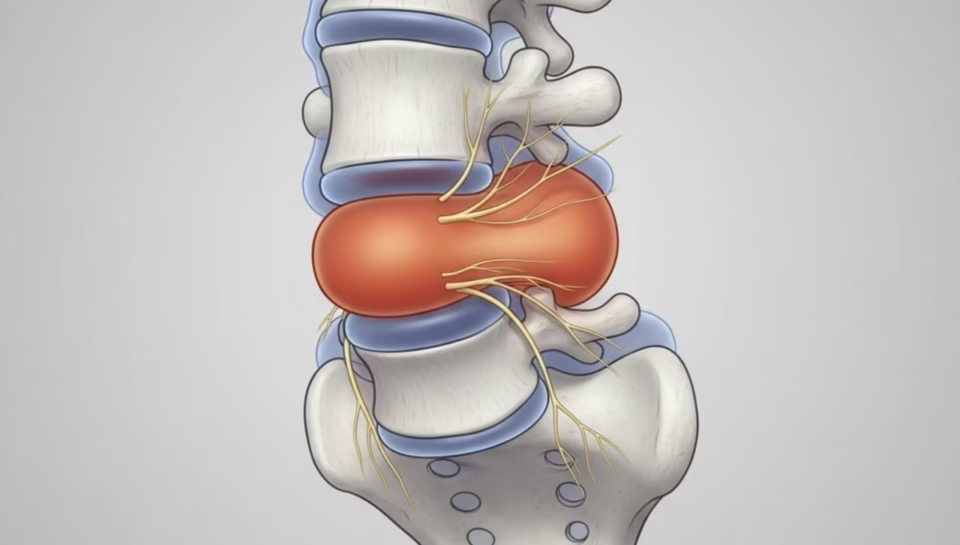
Managing a Bulging Disc: Finding Relief While Staying Active
Recovering from a bulging disc can feel like you’re stuck between discomfort and the fear of making things worse. Pain, limited movement, and uncertainty about what is safe often leave people feeling frustrated and sidelined. Many want to avoid surgery and are searching for conservative strategies that support healing while keeping life moving.
Chiropractic care offers an approach focused on movement, alignment, and function. When done as part of a personalized treatment plan, it can support you in managing pain, improving mobility, and progressing toward long-term spinal health.
This post outlines how chiropractic care aligns with bulging disc recovery and what you should know if you’re considering it as part of your care plan.
Understanding Bulging Discs and Recovery Processes
A bulging disc occurs when the outer layer of a spinal disc protrudes beyond its normal boundary. This condition often stems from wear and tear, poor posture, or repetitive strain. Unlike a herniated disc, where the inner disc material breaks through, a bulging disc stays contained—but it can still irritate nearby nerves, leading to pain, numbness, or weakness, especially in the back, legs, or arms.
Mobility becomes challenging when the affected disc causes nerve compression or surrounding inflammation. According to the Mayo Clinic, common recovery options include rest, physical therapy, anti-inflammatory medications, and specific exercises.
Most people recover with these conservative methods. But maintaining movement during healing is critical—not only for pain relief but also for joint health and long-term function.
The Role of Chiropractic Care in Supporting Disc Recovery
Chiropractic care focuses on spinal alignment, joint function, and nerve communication. When integrated into a multidisciplinary treatment plan, it can help relieve pressure on spinal structures, improve mobility, and reduce inflammation.
Chiropractors trained in treating disc conditions approach bulging discs with caution. They assess the spine through physical exams, medical history, and sometimes imaging. If chiropractic care is appropriate, treatment supports the healing process by improving motion in spinal joints and reducing muscle tension.
Spinal adjustments—a core element of chiropractic care—use controlled, gentle pressure to realign spinal joints. This can help restore movement, support posture, and promote a more balanced load through your spine. As mobility returns, patients often find everyday tasks become more manageable.
Techniques Used in Chiropractic Care for Bulging Discs
There is no one-size-fits-all approach. Your chiropractor will tailor care to your condition, body, and goals. Chiropractic techniques used to address bulging discs often include:
- Spinal Manipulation: Gentle, specific movements to restore joint mobility and reduce nerve irritation.
- Instrument-Assisted Adjustments: Low-force tools such as an Activator to adjust joints with precision.
- Therapeutic Exercises: Targeted movements to strengthen stabilizing muscles and improve spinal support.
- Postural Guidance: Education on safe movement, ergonomics, and habits that support healing.
Each plan is built around your symptoms, strength, lifestyle, and how your body responds to care. That focus on personalization is a key reason many people consider chiropractic treatment during disc recovery.
To understand how chiropractic treatment strategies may differ depending on spinal disc conditions, see this comparison:
| Condition | Chiropractic Goals | Common Techniques |
| Bulging Disc | Improve range of motion, relieve pressure, support healing | Spinal manipulation, flexion-distraction, therapeutic exercises |
| Herniated Disc | Stabilize spine, reduce nerve interference, manage pain | Low-force mobilization, traction, posture correction |
| Degenerative Disc Disease | Support spinal function, slow progression, manage stiffness | Mobility techniques, strengthening, education |
Benefits of Chiropractic Approaches for Disc-Related Mobility Issues
Evidence suggests that chiropractic methods can be effective in improving physical function and pain associated with disc injuries. A 2023 study published by the National Institutes of Health reported improvement in pain intensity, mobility, and quality of life for patients with lumbar disc problems receiving chiropractic care along with physical therapy.
The potential benefits of chiropractic care during bulging disc recovery include:
- Reduced pressure on spinal nerves
- Restored joint and muscle balance
- Improved flexibility and range of motion
- Less reliance on pain medications
- Better understanding of movement habits that prevent reinjury
Consistent, guided movement matters. Chiropractic care contributes to a well-rounded recovery strategy by addressing the mechanical and functional aspects of spine health.
Managing Expectations: What Chiropractic Care Can and Can’t Do
Chiropractic care is not a cure, and it’s not right for every disc issue. It supports recovery, but it doesn’t “snap the disc back into place” or treat every case where surgery may be necessary.
Here are some important considerations:
- If your symptoms involve severe neurological deficits (like significant muscle weakness or loss of bladder control), immediate medical intervention is required.
- Improvement with chiropractic care often happens gradually. It’s not a quick fix.
- Chiropractic should be part of a bigger recovery plan that may include physiotherapy, at-home exercises, and education.
Safe, thoughtful care always starts with a thorough assessment. An experienced chiropractor will refer you to the right specialist if chiropractic care isn’t appropriate based on your symptoms.
Your Next Step in Recovery
If you’re managing a bulging disc and want to stay active without rushing into surgery, you have options. Chiropractic care, when delivered as part of a tailored care plan, can support your mobility, ease discomfort, and help you understand how your body heals.
At Beactive Physio, our chiropractic team works closely with our physiotherapists to design spine-focused care plans that respect your body, goals, and recovery timeline. We guide you with clarity, adapt treatment as needed, and help you move forward—one step at a time.
If you’re ready to explore your next step, our chiropractic services for disc issues are designed to help you get back to doing what you love with confidence and comfort.
Frequently Asked Questions
Can chiropractic care provide relief for a bulging disc?
Yes, many people with a bulging disc experience reduced pain and improved mobility with chiropractic care. The goal is not to “fix” the disc directly, but to improve spinal mechanics, reduce nerve pressure, and support soft tissue healing.
How often should someone with a bulging disc visit a chiropractor?
Frequency depends on your symptoms, how your body responds, and the severity of the disc bulge. In many cases, care begins with more frequent visits that taper off as function improves. Your chiropractor will outline a tailored plan after assessment.
Is chiropractic care safe for everyone with a bulging disc?
Not always. Chiropractic care is safest when guided by a full evaluation. If you have severe nerve symptoms or certain medical conditions, your chiropractor will refer you to an appropriate specialist or recommend a different treatment route.