

 by
by 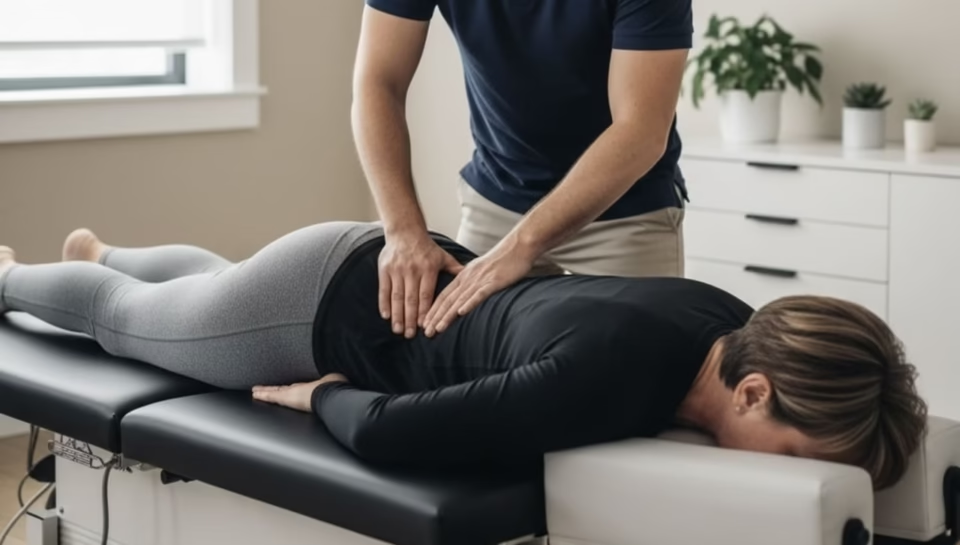
Sciatic pain can affect how you move, sleep, and even think. When every step brings discomfort or numbness, it’s hard to stay active, much less focus on long-term health. But steady progress is possible. Chiropractic care offers a non-invasive path toward lasting relief, helping people with sciatica improve mobility, manage pain, and stay functional without relying only on medication or surgery.
In this article, we’ll walk through how chiropractic care for sciatica helps relieve nerve pressure, restore movement, and support long-term comfort—through personalized, hands-on treatment and a focus on whole-body wellness.
Understanding Sciatica and Its Impact on Life
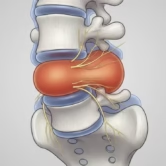
Sciatica is not a condition itself. It’s a symptom of nerve compression, often caused by a herniated disc, spinal stenosis, or other issues affecting the lower back. The sciatic nerve runs from your lower spine down through your hips, legs, and feet. When this nerve is compressed or irritated, it can lead to sharp, shooting pain, tingling, or weakness, usually on one side of the body.
Common effects of sciatica include:
- Lower back and buttock pain that radiates down the leg
- Numbness or tingling in the leg or foot
- Muscle weakness, affecting balance and gait
- Difficulty standing or walking for extended periods
Living with constant discomfort often limits how you move through the day—whether it’s working, caring for loved ones, or maintaining regular exercise. That’s where personalized, non-surgical options like chiropractic care for sciatic pain become critical.
The Role of Chiropractic Care in Managing Sciatica Pain
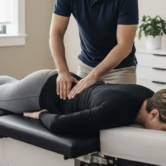
Chiropractors are trained to assess and treat spinal and musculoskeletal issues using hands-on techniques. When it comes to sciatic nerve pain, chiropractic treatment often focuses on relieving the root cause—the nerve compression—rather than masking the symptoms.
Key treatment approaches may include:
- Spinal adjustments: Realigning the spine to reduce pressure on the sciatic nerve
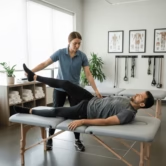
- Mobilizations: Gentle movements to restore joint mobility
- Soft tissue therapy: Addressing tension or tightness in surrounding muscles
According to Harvard Health, spinal manipulation offered by chiropractors may help relieve low back and leg pain by improving spinal alignment and nerve function. While results vary by individual, many people find improved range of motion, better posture, and reduced discomfort with consistent care.
Personalized Care Plans for Sciatica Patients
At the center of any effective treatment plan is personalization. No two bodies experience sciatica in the same way. That’s why chiropractors start with a detailed assessment—reviewing spine alignment, muscular imbalances, lifestyle factors, and the severity of symptoms.
Based on the assessment, your provider builds a care plan tailored to:
- Your specific pain points and mobility limitations
- Your lifestyle—including occupation, activity level, and daily demands
- Your goals—such as being able to stand longer, walk without pain, or sleep more comfortably
These plans often include progress tracking and regular re-evaluation, ensuring adjustments are made over time as your body heals. A chiropractic approach isn’t simply about one-time relief. It’s about supporting stable, long-term recovery.
Non-Surgical Approaches to Sciatica Pain Relief
If you’re looking to avoid medications or surgery, chiropractic care provides a structured, non-invasive treatment option. Chiropractors use methods that address the mechanical dysfunctions contributing to sciatic nerve compression, without the need for prescriptions or operative procedures.
Here’s a comparison of common non-surgical treatments for sciatica:
| Treatment | Approach | Goal |
| Chiropractic Adjustments | Manual spinal alignment | Relieve nerve pressure and improve mobility |
| Physiotherapy | Exercise and education | Strengthen supports around the spine |
| Massage Therapy | Soft tissue manipulation | Reduce muscle tension and discomfort |
| Medications | Pain management | Temporarily reduce symptoms |
While each approach has value, chiropractic care focuses directly on spinal and nerve health using hands-on, drug-free techniques. Many patients benefit from combining physiotherapy and chiropractic for functional recovery.
The Journey to Enhanced Mobility Through Chiropractic Adjustments
Improving your mobility isn’t about instant results. Chiropractic care supports mobility by committing to gradual alignment and better movement over time. As your spine regains proper positioning, pressure on the sciatic nerve reduces—and with less pressure, pain tends to decrease, balance improves, and walking becomes easier.
Common signs of progress in chiropractic treatment plans include:
- Less frequent or intense pain episodes
- Improved posture during standing or sitting
- Greater ease in bending, walking, or exercising
As noted in a review published by the NIH, spinal manipulation can be effective in managing chronic lower back pain symptoms, including those associated with sciatica. It’s not a quick fix, but with time, the spine stabilizes and movement improves.
The Importance of Holistic Well-being in Sciatica Management
Chiropractic care looks at the whole picture—not just your spine. That means your care goes beyond adjustments. Diet, posture, stress, sleep habits, and physical activity all affect how your nervous system functions. Chiropractors routinely provide guidance on how to modify daily routines to support healing.
Areas often addressed in a holistic sciatica care plan include:
- Postural education and ergonomics
- Targeted stretch and movement routines
- Sleep position and mattress support tips
- Recommendations for physical activity
Healing from sciatica is a process, and whole-person care makes sure all contributing factors are addressed. Taking this approach can enhance the long-term effects of chiropractic treatment and reduce the risk of recurrence.
Take Control of Your Movement and Comfort
If sciatica is keeping you from moving comfortably or living fully, chiropractic care offers a thoughtful, structured approach to relief. At Beactive Physio, we help you understand your symptoms, address the root causes, and build a plan that restores movement—step by step. You don’t have to rely solely on medication or consider surgery right away.
Let’s work together toward improved function, less pain, and long-term comfort. You deserve care that adapts with you and moves you forward.
Frequently Asked Questions
What makes chiropractic care a good option for managing sciatica?
Chiropractic care focuses on addressing the underlying mechanical causes of nerve compression, such as spinal misalignment or joint restriction. By improving spinal movement and reducing pressure on the sciatic nerve, it can help relieve pain without relying on medication.
How often should someone with sciatica see a chiropractor?
Frequency depends on the severity and cause of the symptoms, but many care plans begin with a few sessions per week and taper down as symptoms improve. Your chiropractor will recommend a schedule based on your response to treatment and overall goals.
Can chiropractic adjustments provide long-term relief from sciatica pain?
For many people, chiropractic care supports long-term relief by improving spinal function and addressing everyday habits that contribute to nerve irritation. Results are often best when combined with ongoing exercise, postural changes, and maintenance care.