

 by
by 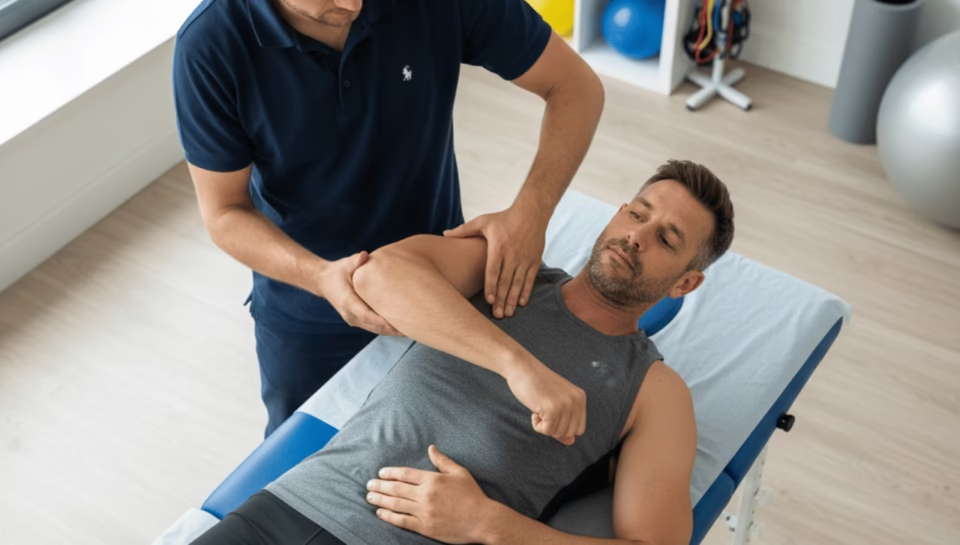
Racquet sports like padel, pickle, tennis, squash, and badminton offer a great combination of agility, power, and strategy. But their high-speed, repetitive movements also carry a risk of injury—especially to the elbow, shoulder, wrist, and lower limbs.
If you’ve been sidelined by a racquet sports injury, the way you recover matters. Rushing back too soon or ignoring underlying issues can lead to re-injury or persistent pain. At Beactive Physio, we support athletes through evidence-based treatment plans that prioritize steady recovery, movement confidence, and long-term performance.
This article explains how racquet sports injury physiotherapy helps you return to play safely. You’ll learn about common injuries, how recovery is structured, and the role of personalized rehabilitation in injury prevention and performance improvement.
Understanding Racquet Sports Injuries
Racquet sports require quick footwork, abrupt pivots, and repetitive upper-body actions. These physical demands often lead to overuse injuries, especially in recreational and amateur players who may lack formal training or conditioning support.
Common Racquet Sport Injuries
- Tennis elbow (lateral epicondylitis): Overuse of forearm muscles causes pain on the outside of the elbow.
- Shoulder impingement: Repetitive overhead swings can irritate rotator cuff tendons.
- Wrist tendonitis: Frequent grip adjustments strain the wrist extensors and flexors.
- Ankle sprains: Quick directional changes increase the risk of ligament injuries.
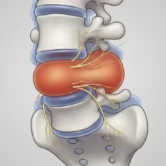
- Lower back strain: Rotational movements and sudden loads can stress the lumbar spine.
Because racquet sports involve rapid and repetitive motion, injuries often result from small biomechanical imbalances. These include improper grip, poor stroke technique, or insufficient strength in stabilizing muscles. According to the National Institutes of Health, technical flaws and training overload are key contributors to upper limb injuries in tennis players.
The Role of Physiotherapy in Recovery from Racquet Sports Injuries
Physiotherapists play an essential role in both diagnosing injuries and guiding the recovery process. At Beactive Physio, our assessment starts with understanding your movement patterns, loading habits, and sport-specific technique.
How Physiotherapists Assess Injuries
The evaluation includes:
- Detailed history of sport participation and symptoms
- Postural analysis and movement screening
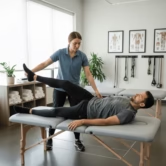
- Joint mobility and strength testing
- Functional testing, including racquet-specific movements
Once the injury is understood, your physiotherapist builds a recovery plan that matches your goals and timeline, whether you’re aiming to get back to daily rallies or competitive tournaments.
Common Physiotherapy Strategies
Depending on your injury and stage of recovery, your physiotherapy may include:
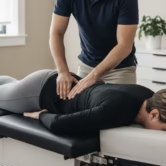
- Manual therapy to restore mobility and reduce pain
- Targeted strengthening to improve load tolerance
- Technique correction and movement retraining
- Progressive sport-specific drills to build confidence
- Education on training volume, rest, and self-care
For example, tennis elbow rehabilitation at our clinic combines load management, eccentric strengthening, and grip-specific training for long-term recovery.
Personalized Rehabilitation Programs for Athletes
Every athlete and injury is different—even within the same sport. Personalized rehab plans ensure the strategies and expectations are realistic for your body, skill level, and goals. We don’t apply a generic “return-to-play” timeline. Instead, we adapt your care as you progress.
How We Customize Your Plan
| Assessment Area | Considerations |
| Sport and position | Singles vs. doubles play, right/left hand dominance |
| Injury history | Prior complications or persistent pain |
| Training volume | Current vs. desired workload |
| Technical skills | Stroke mechanics, footwork patterns |
| Age and recovery pace | Younger athletes often recover faster than older adults |
We also integrate patient education throughout the plan to build awareness and independence—key factors in reducing future injury risk.
Preventing Re-Injury and Enhancing Performance
The best injury recovery also prevents the next one. Physiotherapy isn’t just about healing. It prepares you to move better and play harder through improved mobility, endurance, and control.
Physio Tips for Safe Sports Return
- Warm up using full-body dynamic movements
- Improve strength in your core, shoulders, and hips
- Use sport-specific drills to increase agility and load tolerance
- Schedule rest days and manage tournament frequency
- Get movement feedback from a trained professional
According to a Monash University study, poor technique and fatigue-related errors contribute to a high percentage of sports injuries. Your physiotherapist will help you refine these aspects safely as part of your recovery.
We also focus on biomechanics and technique retraining, especially in racquet sports where small refinements in swing mechanics or grip pressure make a big impact. For shoulder-related pain, rotator cuff physiotherapy may include both strengthening and coordination drills to stabilize overhead movements.
Gradual Return to Play: The Safe Approach to Resuming Racquet Sports
Returning to racquet sports after injury isn’t about waiting a specific number of weeks. It’s about reaching the strength, mobility, and confidence needed to handle your game without symptoms.
Step-by-Step Progression
- Early-phase healing: Prioritize pain reduction and mobility through manual therapy and gentle exercises.
- Strength and control: Build load tolerance with progressive resistance and dynamic stability work.
- Sport simulation: Add racquet-specific drills, footwork sequences, and coordination training.
- Practice resumption: Return to light hitting, practice rallies, and monitored play.
- Full competition: Resume match play with therapist clearance and a maintenance program in place.
Throughout this process, your physiotherapist monitors your progress and adjusts your plan to ensure that recovery keeps pacing with your performance goals. A gradual, personalized approach reduces setbacks and builds long-term resilience.
Start Your Recovery Plan with Beactive Physio
If you’re recovering from a racquet sports injury or trying to prevent one, our team is here to help. At Beactive Physio in Oakville, we combine advanced clinical experience with a personalized, athlete-focused approach. We guide you every step of the way—from rehab to confident return to play—with your long-term wellness in mind.
Book a consultation today to begin a recovery plan designed around your body, your sport, and your goals. Let’s get you moving safely and staying active for life.
FAQs
What are some signs that I might be returning to racquet sports too quickly after an injury?
If you experience recurring pain, swelling, joint stiffness, or loss of strength during or after play, you may be overloading your healing tissues. Fatigue or poor performance are also common signs. Speak with your physiotherapist before continuing.
How often should I see my physiotherapist during my recovery process?
It depends on your injury severity and recovery stage. In early phases, weekly sessions may be needed. As you progress, visits may space out to every two or three weeks. Your plan will adjust based on your progress, goals, and sport demands.
Can physiotherapy also help with performance enhancement, not just injury recovery?
Yes. Physiotherapy improves biomechanics, balance, strength, and coordination—all essential for performance. Many athletes work with a physiotherapist to refine technique, increase endurance, and reduce injury risk even when they’re not injured.