
 by
by 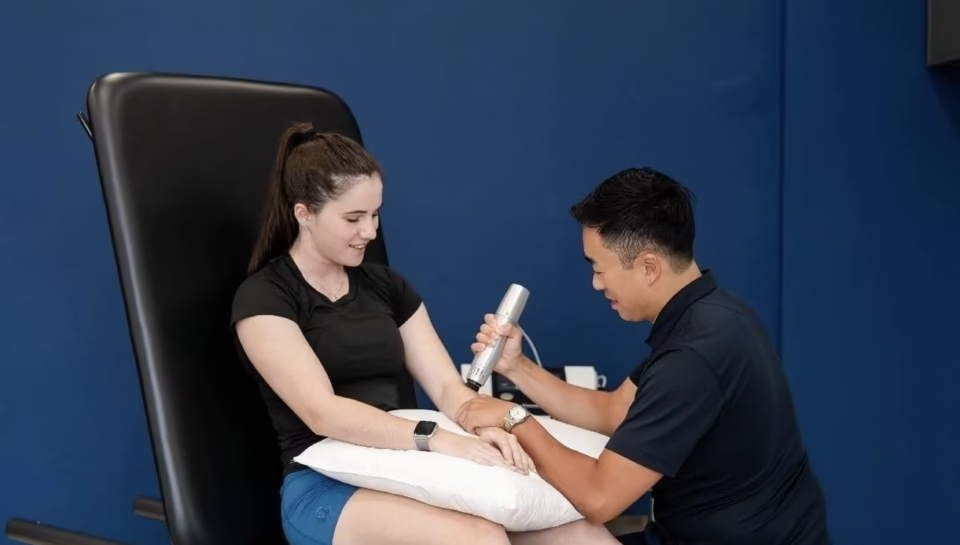
What Physiotherapy Clinic Does Shockwave in Oakville? A Patient Guide to Realistic Results
Shockwave therapy is a clinically recognized option for persistent tendon and fascia-related pain, but it works best as part of a full physiotherapy plan, not as a standalone fix. Candidacy screening, accurate diagnosis, and realistic timelines all matter before booking a session. If you are looking for a physiotherapy clinic that offers shockwave therapy in Oakville, the first step is a thorough one-on-one assessment to confirm whether it is the right fit for your body and your goals.
When chronic pain has been around for months and nothing seems to fully resolve it, shockwave therapy starts to sound appealing. You read about it online, hear it mentioned by a training partner, and arrive at the clinic hoping this is finally the answer. That hope is completely understandable. Persistent pain is exhausting, and wanting a clear path forward is reasonable.
The reality is that shockwave therapy can be a genuinely useful tool for the right person, in the right situation, with the right support around it. It is not, however, a shortcut around proper assessment or a treatment that works the same way for everyone. The more informed you are going in, the better your experience and your outcomes tend to be.
This post covers what good candidacy screening looks like, which conditions shockwave therapy is commonly used for, what a realistic treatment timeline involves, and how to ask the right questions before booking. If you have been searching for what physiotherapy clinic does shockwave in Oakville, the better starting question is whether shockwave therapy is right for your specific body, your goals, and your current stage of recovery.
First, Let’s Set the Right Expectation
Shockwave therapy for chronic pain is rarely effective as an isolated treatment. In clinical practice, it is typically one component of a broader physiotherapy plan that includes exercise, load management, and movement retraining. Research on best practices for extracorporeal shockwave therapy in musculoskeletal medicine consistently positions it alongside rehabilitation rather than in place of it.
How well shockwave works for any individual depends on a range of factors: what the diagnosis actually is, how long symptoms have been present, the health of the tissue involved, current activity demands, and how consistently the person engages with the rehabilitation work between sessions.
The clinical goal is to help irritated tissues tolerate load again so you can gradually rebuild confidence in movement. Wanting fast relief is a natural response to pain that has gone on too long. Sustainable recovery, though, generally requires a plan built around your specific situation, not a single treatment applied in isolation.
Is Shockwave Therapy Right for You?
Not every person with tendon pain is a suitable candidate for shockwave therapy. A qualified physiotherapist will assess several things before recommending it.
What a screening assessment typically covers
- Where the pain is coming from and which structure is involved
- How long symptoms have been present and whether the condition is acute or chronic
- What treatments have already been tried and how the tissue responded
- Current activity level, training load, and how symptoms behave with movement
- Medical history, current medications, recent corticosteroid injections, and any other relevant precautions
There are situations where shockwave is not appropriate. Certain medications, recent injections, active infections, or specific tissue conditions affect whether treatment is safe and suitable. Physiopedia notes that contraindications include areas over open growth plates, blood clotting disorders, and treatment sites near pacemakers, among others. A qualified provider will screen for these before recommending the modality.
The clearest takeaway here: the right treatment starts with the right diagnosis. Booking shockwave without a proper assessment first is skipping the step that makes everything else work.
What Conditions Does Shockwave Therapy Treat?
Shockwave therapy is most commonly used for persistent tendon and fascia-related conditions, particularly when those tissues have not responded adequately to standard rehabilitation. The Mayo Clinic notes the evolving use of extracorporeal shockwave therapy across a growing range of musculoskeletal diagnoses, though evidence strength varies by condition.
| Condition | Relevant to |
| Plantar fasciitis or heel pain | Runners, weekend warriors, work-from-home patients whose activity spikes evenings and weekends |
| Achilles tendinopathy | Runners, pickleball players, anyone with recurring load on the calf-Achilles complex |
| Patellar tendon pain | Athletes with repetitive knee loading, stair climbers, players making quick direction changes |
| Lateral or medial elbow tendinopathy (tennis or golfer’s elbow) | Pickleball players, work-from-home individuals with repetitive keyboard or mouse use |
| Rotator cuff-related tendon pain | Overhead athletes, pickleball players, those with persistent shoulder irritation |
| Gluteal tendinopathy | Runners, cyclists, anyone with lateral hip pain that worsens with sitting or stair use |
It is worth noting that chronic pain is not a single diagnosis. Two people with heel pain may have very different tissue presentations, loading patterns, and contributing factors. Shockwave may be appropriate for one and not the other. Treatment depends on the specific tissue involved and what is driving the problem, not the symptom alone.
How Many Shockwave Sessions Are Needed?
There is no universal answer to this question, and anyone who gives you a fixed number without assessing you first is guessing. Session frequency and total number of treatments should be guided by your assessment findings and how your tissue responds over time.
In general, many treatment plans involve a short series of sessions spaced over several weeks, often combined with progressive loading exercises. What matters more than a specific number is tracking the right indicators of progress.
Signs worth monitoring between sessions
- Pain level during everyday activities like walking, climbing stairs, or typing
- Morning stiffness or first-step discomfort
- How well you tolerate running, lifting, or playing your sport
- How quickly symptoms settle after activity compared to before treatment started
Feeling different after one session does not always mean the tissue has fully recovered. Early symptom changes are a promising sign, but they do not tell the whole story about tissue capacity and load tolerance. Ask your physiotherapist which specific markers they are using to decide whether to continue, modify, or stop shockwave treatment. That conversation should happen early, not after several sessions have already passed.
What Shockwave Therapy Recovery and Results Actually Look Like
Recovery timelines vary from person to person. Some people notice meaningful symptom changes within the first few weeks. Others need several weeks of treatment plus progressive loading before seeing functional improvement. Both experiences are within the range of what clinicians observe.
Short-term responses to expect
- Temporary local soreness or tenderness after treatment
- Mild fluctuation in symptoms in the first day or two
- Some adjustment to training load or activity volume
These responses are normal and do not mean the treatment is not working. They are part of how the tissue responds to the stimulus shockwave delivers.
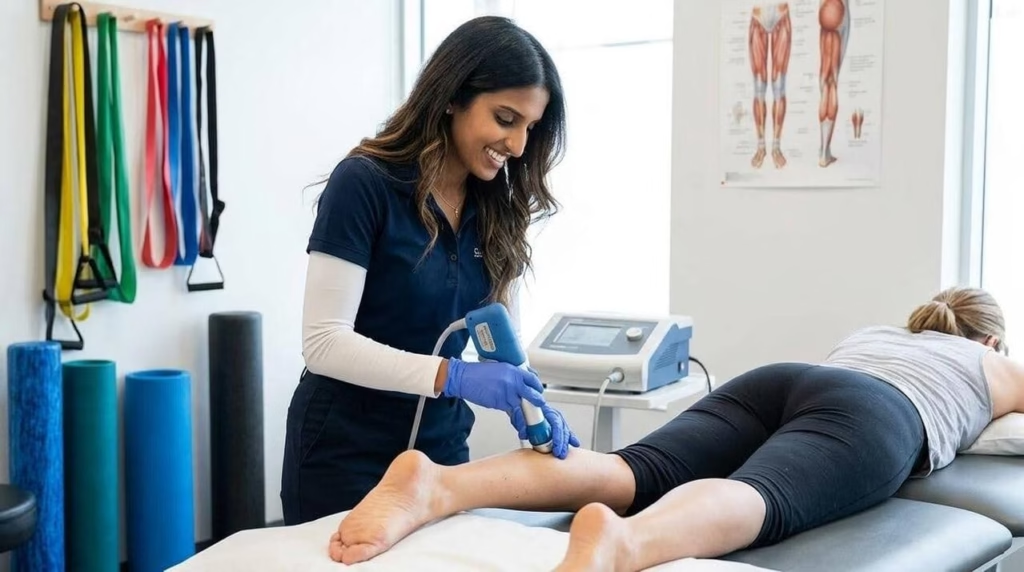
The outcomes worth measuring are functional, not just symptomatic. Progress might look like walking with more confidence first thing in the morning, returning to a running route gradually, playing pickleball with better tolerance for lateral movement, or getting through a full work day with less protective guarding in your movement patterns. These changes reflect what recovery through Shockwave Therapy is designed to support, particularly when paired with the right rehabilitation exercises and activity guidance.
Shockwave is one part of a personalized plan. It works alongside movement, not instead of it.
What to Ask Before Booking Shockwave in Oakville
When choosing a physiotherapy clinic for shockwave in Oakville, what you are really looking for is a provider who leads with assessment, education, and a clear plan rather than simply access to the equipment. Here are practical questions worth asking before your first session.
- Will I receive a full physiotherapy assessment before shockwave is recommended?
- What is the specific diagnosis we are treating?
- Why is shockwave being recommended for my case in particular?
- What are the possible risks, precautions, or reasons it might not be appropriate for me?
- What exercises or activity modifications will support the treatment?
- How will we measure whether the treatment is working?
A thorough answer to each of these questions is a good signal. The right clinic will take the time to explain the reasoning, not just schedule the sessions.
Key Takeaways
- Shockwave therapy is most effective as part of a broader physiotherapy plan that includes progressive loading and movement rehabilitation, not as a standalone treatment.
- Candidacy screening by a qualified physiotherapist is a necessary first step. Not everyone with tendon pain is an appropriate candidate, and certain medical factors affect safety.
- Common conditions treated with shockwave include plantar fasciitis, Achilles tendinopathy, patellar tendon pain, lateral and medial elbow tendinopathy, rotator cuff-related shoulder pain, and gluteal tendinopathy.
- Session numbers vary based on individual assessment and tissue response. Progress should be tracked using functional markers like activity tolerance and morning comfort, not pain scores alone.
- Short-term soreness or symptom fluctuation after a session is normal and does not indicate the treatment is not working.
- Before booking shockwave in Oakville, look for a clinic that prioritizes assessment, explains the clinical reasoning, and builds a personalized plan around your specific goals and activity demands.
Ready to Move Forward With Clarity?
If persistent heel, tendon, elbow, shoulder, or activity-related pain has been keeping you from running your routes, playing pickleball, or getting through your day comfortably, the next step is a proper assessment with someone who will take the full picture into account.
At BeActive Physio in Oakville, we offer one-on-one physiotherapy assessments to determine whether shockwave therapy is a good fit for your situation. We will explain your options clearly, answer your questions directly, and build a personalized plan focused on getting you back to moving with strength and confidence.
No guesswork. No generic protocols. Just a clear next step built around you.
Frequently Asked Questions
Is shockwave therapy painful?
It can feel uncomfortable during treatment, particularly over sensitive tissue. The intensity is guided by your tolerance and clinical goals, and your physiotherapist should walk you through what to expect before the session begins. Most people find the sensation manageable, and it tends to decrease as treatment progresses.
Can I keep running or playing pickleball during shockwave therapy?
In many cases, activity does not need to stop entirely, but your load and volume will likely need some adjustment. The goal is finding the right level of movement so the irritated tissue gets the input it needs to adapt without repeated flare-ups. Your physiotherapist will help you calibrate this based on how your body is responding.
How do I know if shockwave therapy is working?
Progress often shows up as improved morning comfort, better tolerance for your usual activities, shorter recovery time after exercise, or more ease and confidence in movement. Your physiotherapist should be tracking meaningful functional changes throughout treatment, not relying solely on short-term pain relief as the measure of progress.