

 by
by 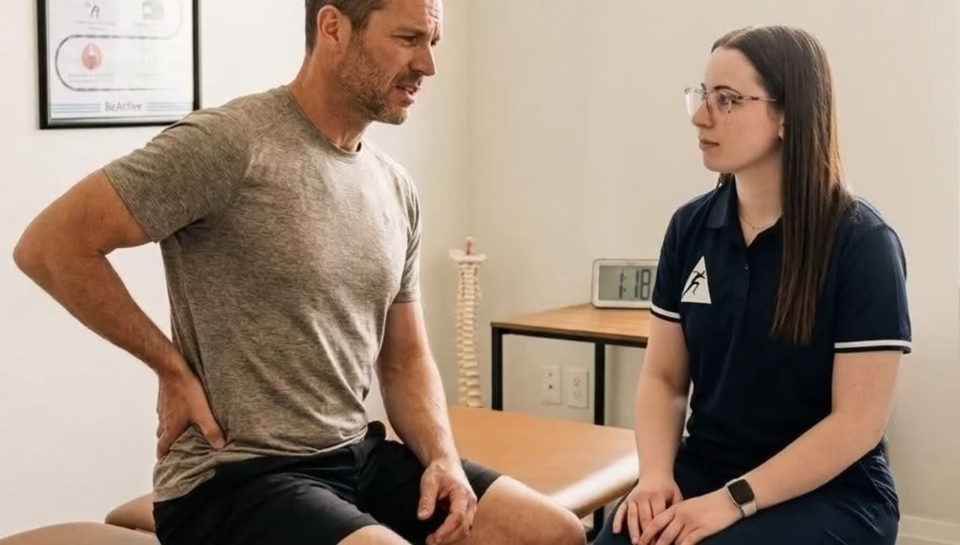
Can a Chiropractor Help With Nerve Damage? What Patients Should Know
TLDR
Chiropractic care may help when nerve symptoms like numbness, tingling, or radiating pain are related to mechanical compression or joint irritation in the spine, but it cannot reverse true structural nerve damage. Not every nerve symptom means permanent damage, and getting a proper assessment is the most important first step toward a clear, realistic plan.
Tingling in your fingers after a long run. Numbness that creeps down your leg during a work-from-home stretch. A burning sensation in your neck that flares up mid-pickleball match. These symptoms get your attention fast, and understandably so. When your body sends those kinds of signals, you want to know what they mean and what to do about them.
One of the most common questions people bring into a clinic is whether a chiropractor can help with nerve damage. It is a fair question, and the honest answer is: it depends on what is actually happening with the nerve. There is a meaningful difference between a nerve that is irritated or compressed and one that has sustained structural injury, and that difference shapes everything about treatment planning.
This post walks through what nerve symptoms actually signal, how nerve compression differs from nerve damage, where chiropractic care fits into the picture, and what realistic recovery looks like for active adults in Oakville and beyond.
What Are You Actually Feeling?
Nerve-related symptoms have a distinct quality that sets them apart from typical muscle soreness or joint stiffness. Knowing the difference helps you communicate clearly with your clinician and get a more accurate picture of what is going on.
Common signs of nerve involvement in the back or neck include:
- Numbness or a loss of sensation in the arm, hand, leg, or foot
- Tingling or “pins and needles,” especially along a specific path
- Burning or electric-type pain
- Pain that travels away from the spine into a limb
- Weakness, changes in grip strength, or coordination issues like foot drop
These sensations often show up in predictable situations: sitting at a desk for hours, sleeping in a position that loads the neck, pushing through a long run, or repeating overhead movements during a gym session. For weekend warriors and those who train regularly, nerve symptoms sometimes get dismissed as general fatigue until they persist or spread.
The key message here is that symptoms are information, not a diagnosis. Numbness during a bike ride does not automatically mean nerve damage. Tingling in your fingers after lifting does not confirm a serious spinal injury. A proper clinical assessment is what distinguishes one from another, and that assessment shapes everything that follows.
Nerve Damage vs. Pinched Nerve: Why the Difference Matters
These two terms are often used interchangeably, but they describe different situations with different treatment implications.
A pinched nerve, or nerve compression, refers to pressure or irritation that affects a nerve’s ability to function normally. The nerve itself may be structurally intact, but something nearby, such as a disc, joint, or tight surrounding tissue, is crowding it. This is common and often responds well to care that addresses the source of compression. According to University of Utah Health, many pinched nerve cases improve with conservative care and time.
Nerve damage refers to actual structural or functional injury to the nerve fiber itself. This type of injury heals more slowly, and in some cases, full recovery is not guaranteed. The Mayo Clinic notes that peripheral nerve injuries vary widely in severity, and treatment depends on the nature and extent of the injury.
Common contributors to nerve symptoms include:
- Disc irritation or herniation pressing on a spinal nerve root
- Spinal stenosis, which is a narrowing of the spinal canal
- Joint or soft tissue irritation near the nerve
- Sustained postures or repetitive loading patterns
- Training spikes without adequate recovery
- Medical conditions like diabetes or vitamin deficiencies, which require medical management alongside any physical care
Understanding which category your symptoms fall into changes the entire treatment approach, which is exactly why a thorough assessment matters before any plan is built.
Can a Chiropractor Help With Nerve Damage?
Chiropractic care is a reasonable option to explore when nerve symptoms are connected to mechanical problems in the spine, such as joint stiffness, restricted movement, or disc-related compression. When the nerve is being irritated by something that hands-on care can address, many people notice a gradual easing of symptoms over time.
What chiropractic care at a clinic like BeActive Physio aims to do:
- Reduce mechanical stress on irritated spinal structures
- Improve mobility in joints that are stiff or restricted
- Calm protective muscle tension that builds around a sensitized area
- Support better movement patterns for sitting, lifting, running, and sport
- Help you return gradually to the activities you want to keep doing
What chiropractic care cannot do is reverse structural nerve damage or act as a standalone solution for every nerve-related symptom. Hands-on treatment is one part of a complete plan. Active rehabilitation, strengthening, education about load management, and sometimes medical testing or specialist input are often just as important.
The question worth asking is not simply “can chiropractic care fix this?” It is “what type of nerve problem do I have, and what approach fits it?” A thorough assessment answers that question and helps set expectations that are grounded in what is actually going on.
When Numbness and Tingling Need a Closer Look
Not every nerve symptom needs urgent attention, but some do. Knowing when to seek assessment and when to act quickly keeps you safe and gets you moving in the right direction sooner.
When to Book an Assessment
- Symptoms lasting more than a few days without improvement
- Repeated flare-ups that follow a pattern
- Pain, numbness, or tingling travelling into the arm or leg
- Symptoms affecting your ability to work, train, sleep, or move comfortably
- Sensations that shift with changes in posture or activity
Red Flags That Require Prompt Medical Attention
- New or worsening weakness in a limb
- Loss of bladder or bowel control
- Numbness in the groin or inner thigh area
- Trouble walking or a sudden change in coordination
- Symptoms that started after significant trauma
- Fever, unexplained weight loss, or a history of cancer alongside new spine symptoms
A responsible clinician knows when to treat, when to monitor, and when to refer. If any of the above apply to you, skip the wait and seek medical care directly.
How Long Does Nerve Pain Take to Heal?
Recovery from nerve-related symptoms is rarely a straight line, and timelines vary widely depending on the cause and the individual. According to NIH MedlinePlus Magazine, pain signals involve complex interactions in the nervous system, which is part of why nerve pain often lingers even after the original source of irritation has improved.
Here is a general picture of how recovery tends to unfold:
| Symptom Type | Typical Recovery Pattern |
| Pain and sensitivity | Often improves earlier in the process |
| Numbness | Tends to resolve more slowly than pain |
| Weakness | Requires consistent strength work and more time |
| Full function | Weeks to months depending on severity and contributing factors |
Factors that influence recovery include how long symptoms were present before care began, sleep quality, stress levels, training load, work posture, and whether underlying medical contributors like diabetes or inflammation are being managed.
Progress is worth tracking in practical terms:
- Symptoms flare up less often or with less intensity
- You tolerate sitting, walking, or lifting for longer periods
- Strength and control in the affected area improve
- You feel more confident moving through your training or daily routine
What a Smart Treatment Plan Should Include
A thorough assessment is the starting point for any nerve-related concern. At BeActive Physio, that means looking at your symptom history, testing movement quality, screening strength, reflexes, and sensation where relevant, and building a plan around your actual functional goals, whether that is returning to distance running, managing a full work-from-home day without pain, or getting back on the pickleball court.
A complete plan for nerve-related symptoms typically includes:
- Education about positions and movements that calm nerve sensitivity
- Gentle manual therapy or chiropractic treatment when appropriate for the presentation
- Nerve mobility exercises, which are specific movements that help restore comfortable nerve movement through surrounding tissues
- Progressive strengthening for the spine, hips, shoulders, or core depending on the area involved
- A gradual return to running, lifting, pickleball, or gym-based training
- Ergonomic strategies for work-from-home routines that place sustained load on the neck or lower back
The goal is to make you an active participant in your own recovery. The most effective plans are ones where you understand what to do between visits, not ones that require you to show up passively and wait for symptoms to change.
Key Takeaways
- Not all nerve symptoms indicate permanent nerve damage. Numbness and tingling are often signs of nerve compression or irritation, which respond well to appropriate care.
- Nerve compression and nerve damage are different conditions with different treatment implications. A proper assessment helps determine which one applies to your situation.
- Chiropractic care addresses mechanical contributors to nerve symptoms but cannot reverse structural nerve damage. It works best as part of a broader, individualized plan.
- Pain tends to improve before numbness or weakness resolves. Tracking functional progress, such as activity tolerance and strength, gives a more complete picture of recovery.
- Certain symptoms, including new weakness, loss of bladder or bowel control, and numbness in the groin area, require prompt medical attention rather than a wait-and-see approach.
- Recovery timelines depend on symptom duration, severity, and contributing factors like sleep, stress, training load, and underlying health conditions.
Get Clarity. Move Forward With Confidence.
If numbness, tingling, or nerve pain is affecting how you work, train, sleep, or move, BeActive Physio can help you understand what is driving your symptoms and what steps make sense next.
Our team takes a complete, one-on-one approach to assessment and care in Oakville, with a focus on helping you regain movement, strength, and confidence without overpromising quick outcomes. Whether you are a runner managing recurring sciatica, a pickleball player dealing with arm numbness, or someone working from home with persistent neck and tingling symptoms, we work with you to build a plan that connects treatment to the activities that matter most to you.
Book an assessment at BeActive Physio to get a clear picture of your back, neck, or nerve-related symptoms and a realistic path forward.
Frequently Asked Questions
Can chiropractic care help with pinched nerves?
It may help when symptoms are connected to mechanical irritation or compression, such as joint stiffness, disc-related pressure, or movement restrictions in the spine. A proper assessment helps confirm whether chiropractic treatment, physiotherapy, rehabilitative exercise, referral, or a combination is the right fit for your presentation.
Does numbness always mean permanent nerve damage?
No. Numbness is a common response to nerve irritation or compression, and it does not automatically mean the nerve is permanently damaged. That said, numbness that persists, spreads, or comes with weakness or coordination changes should be assessed by a clinician to rule out more serious involvement.
Should I keep exercising if I have nerve pain?
It depends on the cause and severity of your symptoms. Some movement supports recovery, but pushing through worsening tingling, numbness, or weakness is not advisable. A clinician can help you modify your training load and movement so you stay as active as safely possible while your nervous system settles.